

Behavioral interview questions are a crucial part of the hiring process, allowing employers to evaluate how you have managed specific circumstances at work in the past. Preparing for these questions effectively can set you apart from other candidates. Learn more about what to expect and how to tackle behavioral interview questions to increase your chances of making a strong impression.
Employers want to ensure that new hires possess the skills and temperament needed to thrive within their organization. By understanding the logic behind these questions and crafting your answers accordingly, you demonstrate both competence and insight. This guide will help you approach behavioral questions confidently and answer each one with clarity, relevance, and impact.
Preparing for behavioral interviews not only helps you articulate your experience but also reveals how your unique strengths align with organizational goals. Adopting a proven strategy for structuring your answers, such as the STAR method, can make your responses clearer and more memorable to interviewers.
By proactively identifying examples from your past, you create a personal bank of stories that can be tailored to a variety of behavioral questions. This preparation also fosters self-reflection, helping you to grow as a professional, regardless of the interview outcome.
Understanding Behavioral Interview Questions
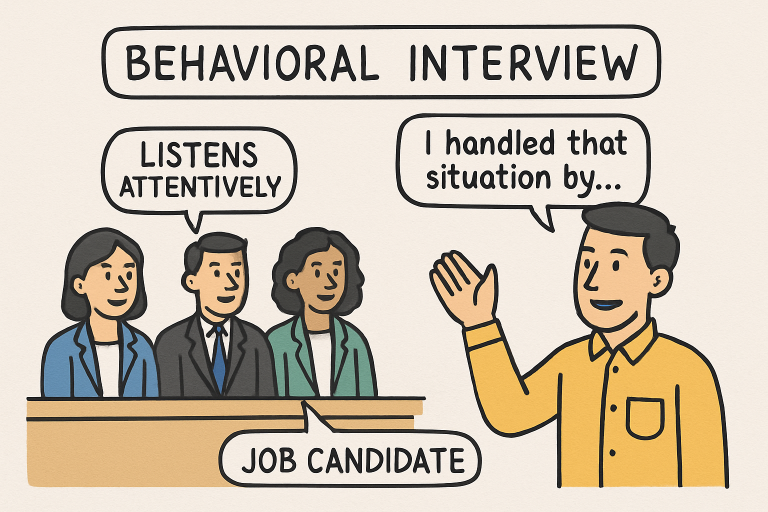
Behavioral interview questions are formulated to uncover how you have responded to real-life work scenarios in the past. Employers believe that past behavior is one of the most reliable indicators of future performance. You might face questions focusing on conflict resolution, teamwork, problem-solving, and adaptability. For instance, if you are asked to “describe a time when you dealt with a difficult colleague,” the interviewer seeks insights into your interpersonal and problem-solving skills.
These questions also help employers determine whether you possess the professional values and capabilities crucial to their teams. They help employers assess your ability to remain resilient in tough situations and how you contribute to the organization’s culture, both of which are now significant factors in hiring decisions.
The STAR Method
The STAR method offers a structured way to present your answers to behavioral interview questions. By breaking your response into Situation, Task, Action, and Result, you provide interviewers with a clear, logical account of your actions and outcomes.
- Situation: Describe the background or context of your example.
- Task: Specify the challenge, problem, or responsibility you faced.
- Action: Outline the steps you took to address the challenge or task.
- Result: Explain the outcome of your actions and emphasize what you learned or accomplished.
This approach not only highlights your competence but also your ability to communicate clearly and effectively, skills considered highly desirable in any profession.
Common Behavioral Interview Questions
Below are typical questions you can expect in a behavioral interview:
- Describe a time when you faced a significant workplace challenge and how you resolved it.
- Tell me about a time you received difficult feedback. How did you handle it?
- Give an example of a time you had to prioritize tasks under pressure. What was the outcome?
- Describe a situation where you had to work with someone with a very different work style from yours.
- Tell me about a time when you worked as part of a group, but someone wasn’t pulling their weight.
Practicing answers to these sample questions in advance can make your responses feel natural and authentic when you are in the interview hot seat.
Preparing Your Responses
Effective preparation is key to delivering strong responses during an interview. Start by reflecting on your career and identifying key situations that showcase your strengths, adaptability, and accomplishments.
- Reflect on Past Experiences: Recall examples from former jobs, internships, or volunteer roles that align with common behavioral question themes.
- Use the STAR Method: Template each example using Situation, Task, Action, and Result for coherence and focus.
- Be Specific: Avoid vague generalities; include concrete details.
- Quantify Results: Where possible, use numbers or metrics to show the impact of your work.
The more carefully you select and structure your stories, the easier it will be to adapt them to a variety of behavioral prompts from different interviewers. For additional tips on behavioral interview preparation, check the resources at The Muse.
Practicing Your Delivery
Rehearsing your answers is essential. Practicing out loud with a friend, mentor, or career coach can help you recognize where your responses might need more detail or focus. It can also lessen interview-day anxiety and help you become fluent with your stories, which increases your confidence during the actual interview.
Record yourself if possible, and analyze your body language and tone. Clear and concise answers delivered with steady eye contact and a confident demeanor help create a positive impression with interview panels.
During the Interview
When the interview begins, active listening is key. Pay close attention to the wording of each question and take a moment to organize your response using the STAR method before speaking.
- Listen Carefully: Make sure you understand the question. If unsure, ask for clarification.
- Stay Concise: Answer with clarity and keep each response targeted to the question.
- Maintain Eye Contact: Connect with the interviewer and show engagement in the conversation.
- Be Honest: Authentic responses resonate more than overly polished or exaggerated stories.
By communicating thoughtfully, you help the interviewer envision you as a valuable team member.
Post-Interview Reflection
After your interview, take time to reflect on your performance. Identify answers that were particularly strong and consider which questions challenged you the most. Making notes about these moments will guide your preparation for future interviews, helping you become an even more effective communicator.
- Recognize your strengths and celebrate your good responses.
- Pinpoint questions that were difficult and research additional answers for similar future queries.
- Seek feedback from interviewers if possible to further hone your technique.
Conclusion
Behavioral interview questions give employers valuable insight into how candidates think, act, and solve problems in real workplace situations. By understanding the purpose behind these questions and preparing thoughtful responses in advance, you can confidently showcase your experience and professional strengths.
Using structured techniques, such as the STAR method, helps you present your answers clearly and demonstrate the impact of your actions. Combined with practice and reflection, this approach helps you communicate your skills more effectively and remain composed during the interview.
Ultimately, strong preparation transforms behavioral interview questions from intimidating challenges into opportunities to highlight your value as a candidate. By building a bank of meaningful examples and refining your delivery, you can approach interviews with confidence and leave a lasting positive impression on potential employers.
FAQS
Q: How should you present yourself during a behavioral interview?
A: During a behavioral interview, presenting yourself with confidence, positive body language, and professional appearance is just as important as your answers. Maintain steady eye contact, smile naturally, and engage actively with the interviewer. Dress professionally and sit in an open, approachable posture to convey competence and enthusiasm. Hiring managers assess not only what you say but how you carry yourself throughout the entire interview process.
Q: How do interviewers evaluate candidates during behavioral interviews?
A: Interviewers evaluate candidates during behavioral interviews by taking detailed notes on a clipboard while observing communication skills, confidence level, and real-life examples shared by the candidate. They look for specific, structured responses that demonstrate problem-solving ability, teamwork, leadership, and adaptability. A candidate who speaks clearly, maintains positive engagement, and provides measurable results in their answers is more likely to leave a strong lasting impression on the hiring manager.


