

Key Takeaways
- Personalized health coaching focuses on prevention through tailored lifestyle strategies.
- Individualized plans improve outcomes by addressing each person’s unique health data and goals.
- Technology such as wearables, apps, and AI helps track progress and guide adjustments.
- Ongoing support boosts motivation, accountability, and long-term adherence to healthy habits.
- Research shows improvements in key health indicators and potential reductions in healthcare costs.
- As technology advances, personalized coaching is expected to play a larger role in preventive healthcare.
Introduction to Personalized Health Coaching
Personalized health coaching provides a tailored approach to preventive healthcare, helping individuals develop strategies that fit their unique needs, preferences, and health conditions. While traditional healthcare often focuses on treating existing conditions, personalized coaching aims to proactively support healthier lifestyles and prevent chronic illnesses. With advancements such as functional blood testing, coaches are better equipped to identify risk factors and fine-tune recommendations based on comprehensive individual health data.
This individualized support is especially important for those at risk of developing chronic conditions, such as diabetes, heart disease, and hypertension. Rather than offering one-size-fits-all advice, health coaches collaborate closely with individuals, establishing goals that are realistic and sustainable for each person’s unique circumstances.
Benefits of Personalized Health Coaching
- Improved Health Outcomes: A growing body of research suggests that personalized health coaching can significantly improve key health metrics. For example, participants often experience improvements in blood pressure, cholesterol levels, and blood sugar regulation.
- Enhanced Patient Engagement: The collaborative, supportive relationship between a health coach and their client leads to greater motivation, stronger accountability, and improved adherence to health plans. This hands-on support is critical for overcoming barriers to change and maintaining progress over time.
- Cost-Effective Care: Personalized health coaching supports prevention, which can translate into significant savings by reducing the risk and cost burden of managing chronic diseases, hospitalizations, and emergency care over the long term.
By focusing on prevention, personalized health coaching can become a cornerstone in reducing the prevalence of lifestyle-related diseases, according to the Centers for Disease Control and Prevention.
Integrating Technology in Health Coaching
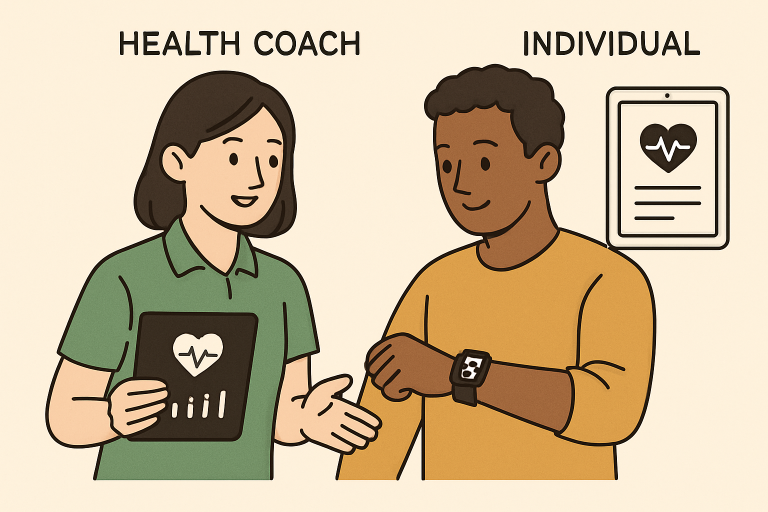
Technology has greatly enhanced the effectiveness of health coaching in recent years. Wearable devices and health apps allow coaches to monitor clients in real time, collecting continuous data on activity levels, sleep, heart rate, and dietary patterns. When coaches have access to this information, they can intervene quickly, adjust strategies as needed, and offer immediate encouragement or feedback.
Artificial intelligence platforms also play a key role. By analyzing data from wearable sensors and mobile tracking tools, these systems can predict health risks earlier and recommend personalized preventive measures based on actual behavior and biometric data.
In addition, new developments in remote patient monitoring further empower coaches to address health risks efficiently, even remotely. This expanded capacity for real-time data collection and intervention not only supports ongoing behavioral change but also delivers enhanced convenience and accessibility for clients with busy lifestyles or limited mobility.
Case Studies Highlighting Success
Recent case studies underscore the transformative power of personalized health coaching. In one example, researchers at the Cleveland Clinic demonstrated that an AI-supported precision health and lifestyle coaching program significantly improved outcomes for patients with Type 2 diabetes. The combination of real-time health monitoring, wearable technology, and continuous telecoaching led to better glycemic control and reduced reliance on medication among participants.
Other studies published in leading health journals also reveal improved wellness indicators and high satisfaction among individuals participating in personalized coaching programs, suggesting widespread potential across diverse populations. Health coaching can be adapted for various age groups, cultural backgrounds, and health statuses, making it a flexible and universally valuable tool in preventive healthcare. As these success stories continue to grow in number, the real-world impact of individualized coaching programs becomes even more apparent and compelling.
Implementing Personalized Health Coaching in Preventive Care
Successful adoption of personalized health coaching requires a clear and systematic approach by care providers. The following steps outline how this process can be effectively integrated into preventive care:
- Assess Individual Needs: Begin with a comprehensive health evaluation to understand a person’s medical history, current health status, risk factors, and their personal goals.
- Develop Tailored Plans: Coaches then design a strategy that addresses specific dietary, activity, sleep, and behavioral needs aligned with each client’s lifestyle and preferences.
- Utilize Technology: Integration of digital health tools, such as wearables and apps, enables progress tracking and more dynamic, responsive adjustments to the plan.
- Provide Ongoing Support: Regular coaching sessions are scheduled to check progress, address challenges, and evolve the plan as individuals’ needs change.
These steps improve outcomes by ensuring everyone receives attention and resources matched to their unique healthcare profile.
Challenges and Considerations
As promising as personalized health coaching may be, several challenges must be addressed for widespread adoption. Data privacy remains a primary concern, especially as more health information is collected and stored digitally. Consistent patient engagement can also be difficult to maintain over extended periods, and not all healthcare systems are equipped to integrate coaching services seamlessly.
Overcoming these obstacles will require coordinated action from healthcare professionals, technology developers, and regulatory organizations to ensure both effective care and robust security standards. Further collaboration can also ease the path to reimbursable, mainstream preventive coaching models within diverse healthcare settings. Ensuring equitable access will be essential so that effective coaching is available to all individuals, regardless of socioeconomic status or geographic barriers. Investment in coach training and certification will also be a critical factor for consistent quality and professionalism in the field.
Future Directions in Personalized Health Coaching
The evolution of personalized health coaching is likely to accelerate as machine learning and big data analytics become more sophisticated. These technologies offer even greater precision for predicting risks and optimizing interventions, leading to highly responsive, individual care. Telehealth platforms are also expanding access, enabling people in rural or underserved areas to benefit from expert guidance without leaving home.
As more studies confirm its value, personalized health coaching is expected to become a standard element of preventive healthcare, fundamentally shifting the focus from treating illness to sustaining wellness and resilience across populations. For more insights on emerging trends, consult reports on health coaching in preventive care from leading publications. Continued innovation, supported by data-driven solutions and multidisciplinary collaboration, will keep driving personalized coaching to the forefront of 21st-century preventive medicine for years to come.
Final Thoughts
Personalized health coaching stands at the intersection of individualized care and proactive disease prevention, providing tools and strategies to diminish the risk of chronic illness while promoting lifelong wellness. As digital technologies and evidence-based practices continue to advance, the role of health coaches in preventive care will only become more vital, supporting healthier living for everyone.


